
Welcome to Sprout Share
Beginner Allotment Gardening in the UK
Hi, I’m Devon,
Excited new allotment holder.
I’ve spent years keeping houseplants alive, only to discover that allotment gardening in the UK is a whole different kind of adventure.
Here on SproutShare, I’m sharing everything I research along the way: from finding your first plot to planting your first seeds, and eventually building a community of fellow growers.
Stick around for timely tips and seasonal ideas from planting to harvest, tool recommendations, and updates from our plot.

Recent Posts
Beginner Guides, Blogs, Articles for Allotment Gardening
Welcome to our growing blog, a mix of short articles and in‑depth guides focused on UK allotment and vegetable gardening. Whether you’re just starting out or building your gardening skills, you’ll find something practical and well researched.
See our most recent below.
Easy August Allotment Jobs (UK): What to Sow, Harvest and Prepare Now
A practical guide to August allotment jobs across the UK. Learn what to sow, harvest, and prepare now to keep your plot productive through late summer and into autumn.
Read MoreThe Ultimate Easy Soil Prep Guide, The big 3: Dig vs No-Dig vs Mulch Explained
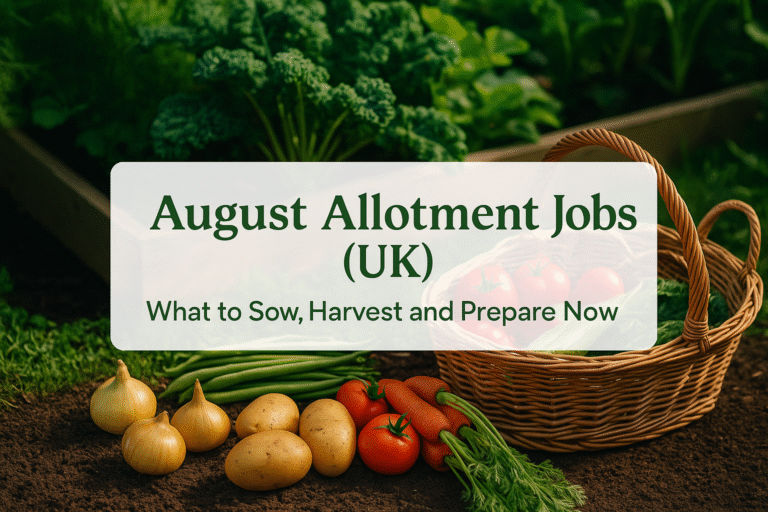
Build healthy soil the natural way: add compost, avoid compaction, and use no‑dig or lightly turned beds. This full guide helps new growers get the foundation right for every season.
Read MoreGot Your First Allotment? These Tasks Will Set You Up for Success
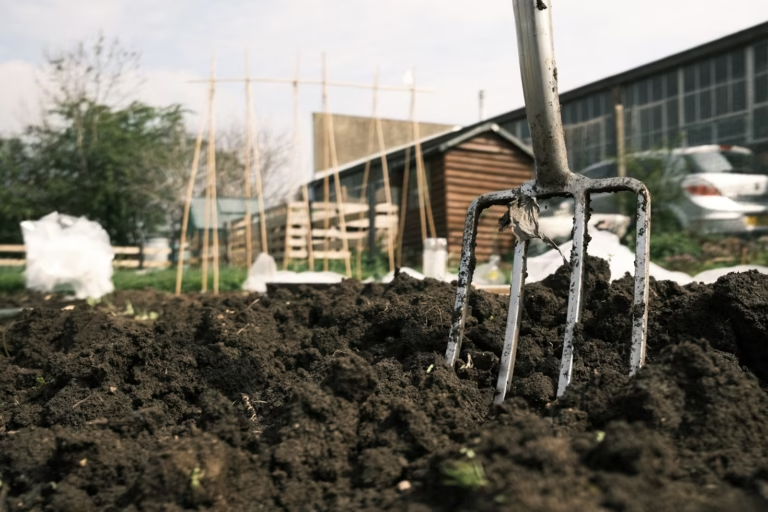
Start off strong with smart first steps: surveying your plot, meeting fellow growers, planning water access, and clearing space. Practical moves to set your plot up right.
Read MoreAllotment Layout Planning: Proven Steps for Maximum Yield
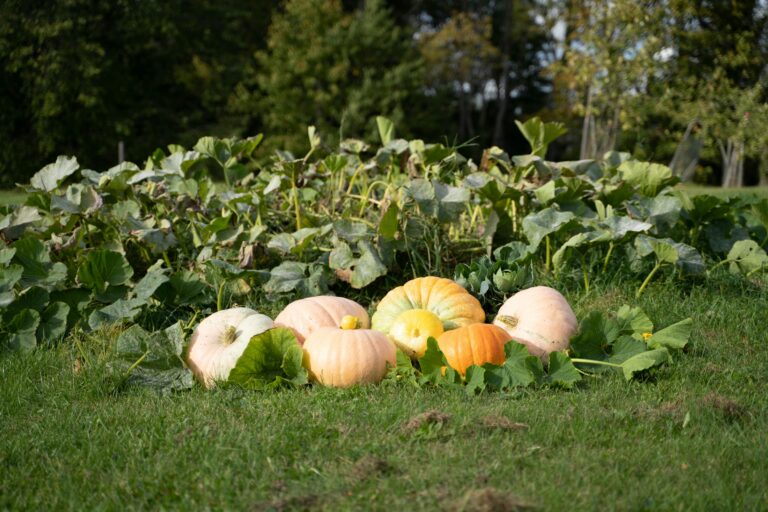
Design your plot for success with our simple 7‑step layout plan. Learn seasonal beds, crop rotation, efficient paths, and planting zones to help you grow more with less effort.
Read MoreAllotment Diaries
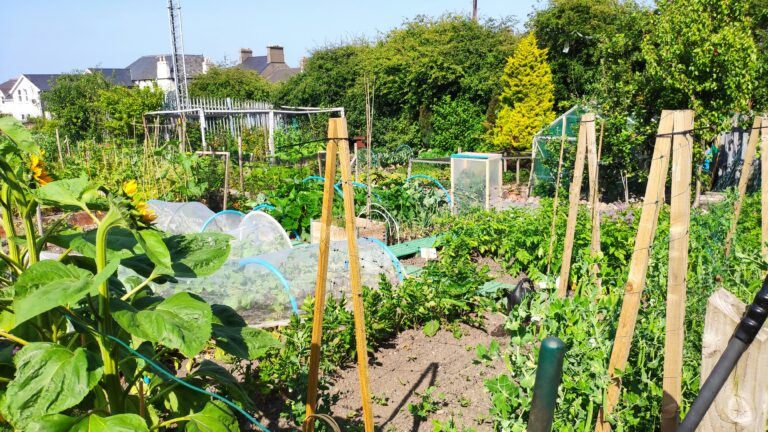
We got an allotment and have been filming the process
We wanted to share the process of our allotment journey.
Enter the Allotment Diaries. We are doing the homework but the real joy comes from the doing. Getting our hands dirty, and figuring it out as we go along.
Sure its not always pretty, but we are making sure to never let perfection get in the way progress.
Check out the full channel below.
Breaking Ground! We’ve got the allotment, and this is us figuring it out as we go. The plan was to start slow, but once we were there, it made more sense to just get stuck in.
First look at the space, a bit of the story behind how we found it (spoiler: completely by chance). It’s full of potential and we’re cautiously optimistic.
Day 1, i’m determined to be creative! This channel follows that process. From starting an allotment to figuring out how to grow, make, and share all while learning as I go.
Garden Centre
Explore tools, seeds, gear, books and more.
We’ve created a small Garden Centre
Every product is vetted before recommendation and we only list gear that’s been heavily reviewed for quality and reliability.
By sharing affiliate links, we can earn a small commission on sales at no extra cost to you. This helps us keep building Sprout Share, sharing the journey, and growing our content; and it means you’re truly part of it.
Thanks so much, you’re making a bigger difference than you know.
For now we partner with Amazon, but in time we are hoping to work with local brands and suppliers!
Check out some of our favourites or click the button to check out the full page
Some of the links in this post may be affiliate links. If you decide to buy through them, it helps us grow Sprout Share.
Thank you for your support.
Favourites
FAQ
Quick and easy, questions answered
An allotment is a rented piece of land—often provided by local councils or community groups—where you can grow fruit, vegetables, herbs or flowers. To get started, join your local council’s waiting list early and make sure your application stays up to date. Visit our Finding an Allotment in the UK guide to see how we secured ours.
Tackling weeds and couch grass can seem daunting. Try covering areas with cardboard or weed-suppressing membrane and layering compost on top. This slows weeds and starts rebuilding the soil. In cleared sections, the no-dig method helps you plant sooner. See our soil prep guide for step-by-step help.
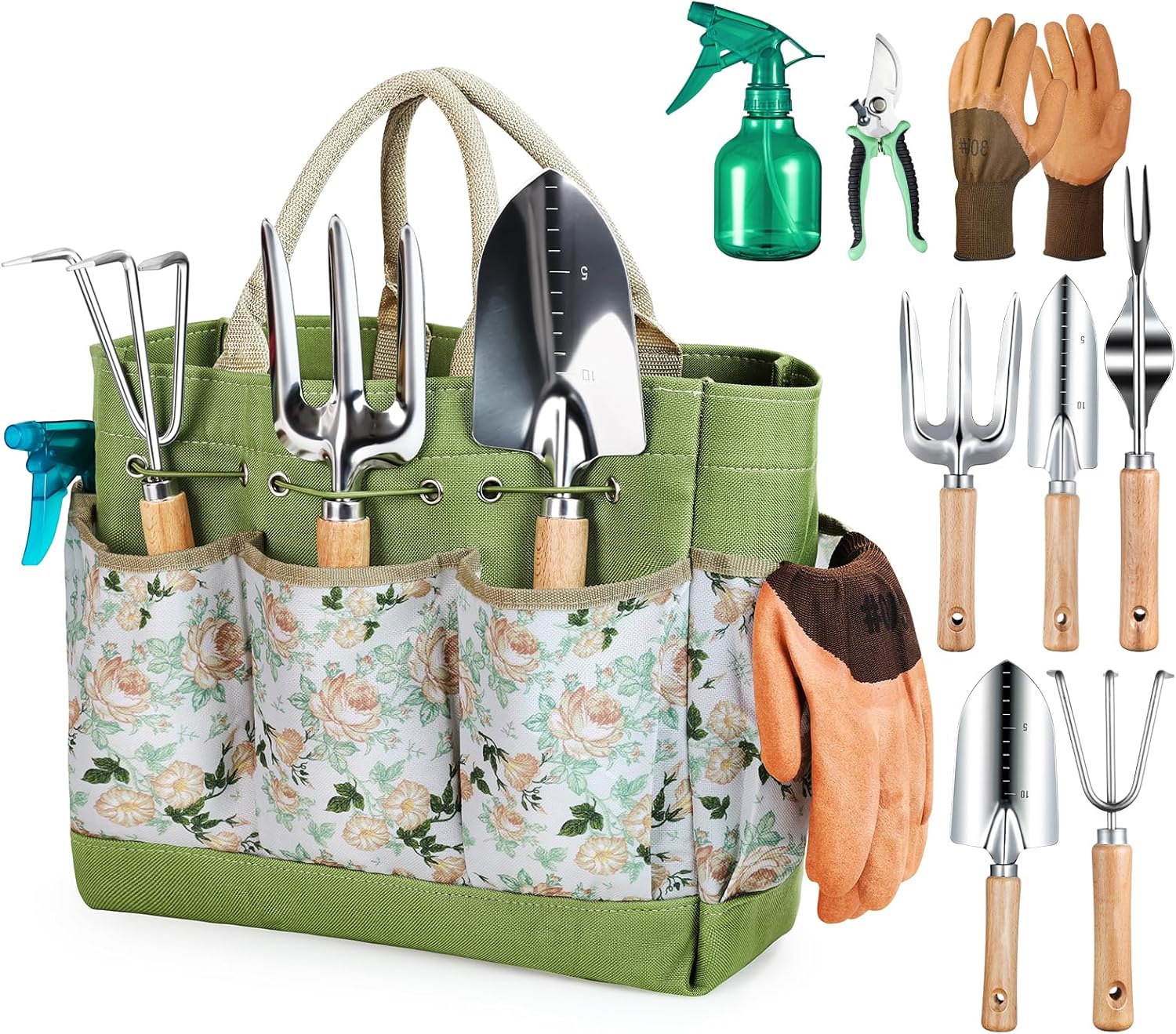
Start small with essentials: a spade or fork, gloves, watering can and seed trays. There’s no need to buy expensive tools upfront. In our Garden Centre, we recommend gear wthat is highly reviewed, items that help you grow confidently without overspending.
No-dig and mulch layering methods are beginner-friendly. They build soil health, reduce weeding and ease strain on your back. Our No‑Dig Gardening for Beginners guide walks through how to set it up in plain language using low-cost materials.
Slugs, aphids and other pests are common, but there are effective natural methods to manage them. Think companion planting, homemade traps and physical barriers. Explore our Organic Pest Control in UK Gardens guide for practical, chemical-free solutions that actually work.